
Choosing the right web hosting is essential for getting your website online. For beginners or those with a limited budget, Pros and Cons Free Web Hosting offers an attractive starting point. While paid hosting provides advanced features, free hosting allows users to experiment with websites without financial risk. This option is ideal for hobby blogs, personal portfolios, or testing website ideas before investing in a full-fledged plan.
In this guide, we will explore the Pros and Cons Free Web Hosting, discuss its limitations, and help you decide whether free hosting is worth it compared to paid alternatives. Understanding the benefits and drawbacks will enable you to make an informed decision and ensure your website meets your goals, even on a tight budget.
What are Pros and Cons Free Web Hosting?
Pros and Cons Free Web Hosting is a service that allows you to host a website without paying any fees. Unlike paid hosting, free plans usually offer a subdomain, limited storage, and basic features to help beginners get started. While you won’t get advanced tools like full cPanel access, SSL certificates, or extensive bandwidth, free hosting is perfect for learning and experimenting.
Many popular platforms, such as Wix and WordPress.com, offer free hosting solutions that integrate with their website builders. These services make it easy to create a site quickly and understand the fundamentals of website management. Although free hosting has limitations, it remains a popular choice for new bloggers, hobbyists, and small projects.
Key Advantages of Pros and Cons Free Web Hosting
One of the biggest advantages of Pros and Cons Free Web Hosting is its cost-effectiveness. Users can launch websites without spending a single dollar, making it ideal for beginners, hobbyists, or small projects. Free hosting also allows newcomers to explore website design, experiment with CMS integration, and learn essential web management skills without financial risk.
Another benefit is the ease of use. Platforms like Wix and WordPress.com provide user-friendly interfaces and simplified setup processes. Additionally, free hosting requires no long-term contracts, so you can upgrade to a paid plan or switch providers whenever needed. Overall, free hosting offers a practical way to start online while gaining experience in running a website.
Major Disadvantages of Free Hosting
While Pros and Cons Free Web Hosting has its perks, it comes with notable drawbacks. One major disadvantage is limited resources, such as low disk space, restricted bandwidth, and minimal server processing power. These limitations can slow down your website as traffic increases and affect overall performance.
Additionally, many free hosts place advertisements on your site, which can make it look less professional. Users often receive only a subdomain instead of a custom domain, and advanced tools like cPanel or database access may be restricted. Customer support is typically minimal or delayed, and security features are basic, leaving your site more vulnerable to threats. Considering these factors is essential before relying on free hosting for long-term projects.
Top Pros and Cons Free Web Hosting Providers
Several reliable platforms provide Pros and Cons Free Web Hosting for beginners. Wix offers a drag-and-drop builder and subdomain integration, perfect for portfolios and personal projects. WordPress.com is ideal for bloggers, offering an easy-to-use interface with a free subdomain. 000webhost provides basic PHP and MySQL support for testing small websites.
While free providers have restrictions, they allow users to learn website management and experiment with content creation. Choosing the right provider depends on your technical skills, the type of site, and long-term goals. Always check what each platform offers before committing.
Tips for Using Free Hosting Effectively
To maximize free hosting, regular backups are essential to prevent data loss. Optimize images and content to reduce storage usage and improve page load speed. Monitor bandwidth and website performance to stay within limits.
Use analytics tools like Google Analytics to track visitor behavior. Consider planning an upgrade to paid hosting as traffic grows. By combining careful resource management with strategic planning, free hosting can serve as a practical stepping stone for learning and launching initial websites.
Security Concerns with Free Hosting
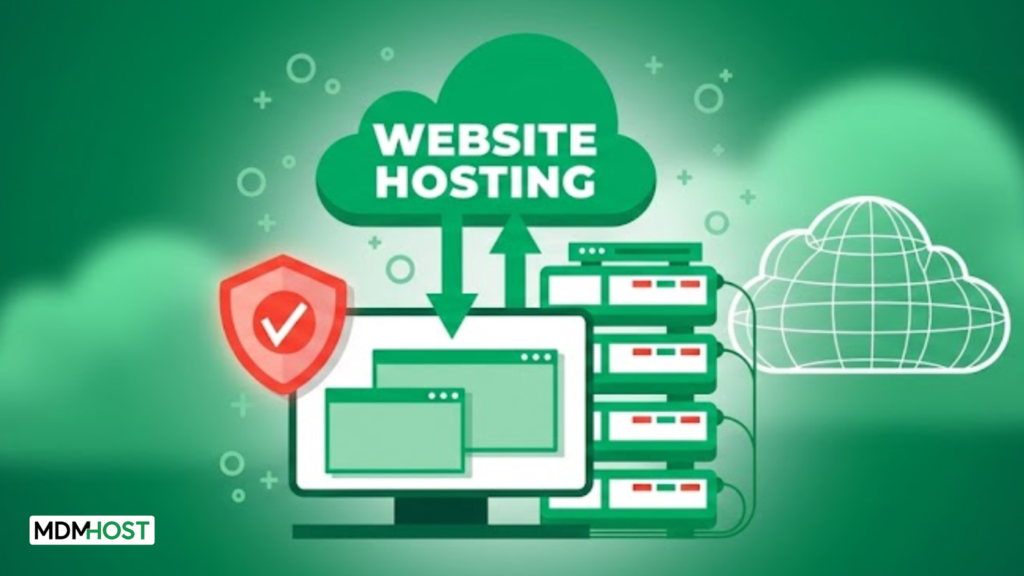
Security is a key disadvantage of Pros and Cons Free Web Hosting. Many free plans lack SSL certificates, firewall protection, and regular updates. This exposes websites to risks such as malware, hacking, or phishing attacks.
Users should avoid storing sensitive data on free hosts. Implement additional security measures like strong passwords, regular backups, and third-party security plugins when possible. Understanding these risks helps users make informed decisions about whether free hosting is appropriate for their projects.
SEO Challenges with Free Hosting
Free hosting can impact SEO performance. Limited bandwidth and server speed may slow page load times, negatively affecting search rankings. Ads and subdomains can reduce credibility and domain authority.
Some free hosts restrict access to SEO tools or metadata, making optimization difficult. Beginners using free hosting should focus on content quality and efficient site management while planning to migrate to paid hosting to improve SEO for professional websites.
Who Should Use Free Hosting?
Pros and Cons Free Web Hosting is best suited for beginners, students, hobbyists, and small personal projects. It is ideal for testing ideas, learning website development, or building a low-traffic blog without financial commitment.
It is not recommended for businesses, eCommerce, or professional websites, where performance, security, and branding are critical. Users should plan for growth and consider switching to paid hosting when traffic or requirements increase.
Monitoring Free Websites
Monitoring your site ensures smooth operation on Pros and Cons Free Web Hosting. Use tools to track uptime, performance, and errors. Website monitoring helps maintain speed, avoid downtime, and detect security issues early. Even with free plans, analytics and monitoring provide insights to improve content, SEO, and visitor engagement. This ensures your project benefits fully from free hosting while preparing for a future upgrade to paid hosting.
Conclusion
Free hosting offers a cost-effective, beginner-friendly solution for starting online. The pros and cons of Pros and Cons Free Web Hosting include zero cost, ease of use, and learning opportunities versus limited resources, ads, and restricted customization. It’s ideal for hobby sites, personal blogs, or learning purposes. However, for businesses or growing websites, paid hosting ensures better performance, security, and control. Evaluating your goals, growth potential, and technical needs will help you make an informed decision between free and paid hosting.
FAQs
1. What are the advantages and disadvantages of free hosting?
Free hosting is cost-effective and ideal for beginners or hobby sites. Advantages include zero cost, easy setup, and learning opportunities. Disadvantages are limited storage, bandwidth, ads, minimal support, and basic security.
2. Can I use free hosting for a business website?
While technically possible, it’s not recommended. Free hosting limits resources, displays ads, and may reduce credibility. For professional websites, paid hosting is better for reliability, security, and performance.
3. How does free hosting affect SEO?
Free hosting may impact SEO due to slower load times, subdomains, and limited control over SEO tools. Ads and restricted customization can also reduce domain authority.
4. Is it easy to migrate from free to paid hosting?
Yes, most platforms allow migration. However, planning backups, exporting data, and selecting the right paid provider is crucial to ensure a smooth transition.
5. Are there free hosting services without ads?
Some providers, like WordPress.com or 000webhost, offer limited ad-free free plans. Always check the terms before choosing to avoid unexpected ads on your site.